401(k) vs. IRA: How to Decide Which Account to Prioritize
A plain-language comparison of 401(k) and IRA accounts, covering how contributions, tax treatment, and employer matches differ so you can decide where to put your retirement savings first.
Sponsored
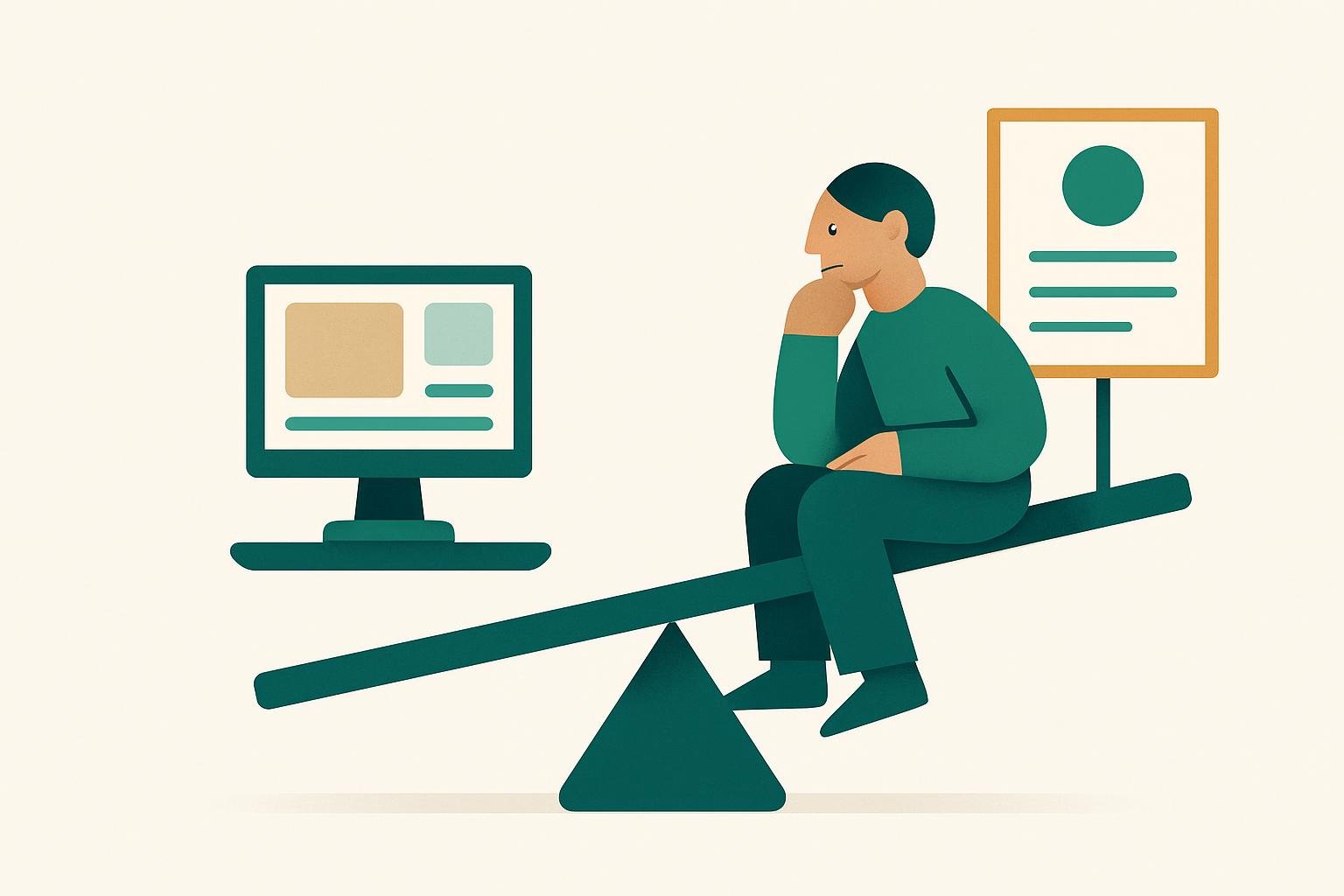
Saving for retirement often starts with a simple question: should your money go into a 401(k), an IRA, or both? Both accounts offer tax advantages designed to help your savings grow, but they work differently. Understanding those differences can help you make the most of every dollar you set aside.
What a 401(k) Offers
A 401(k) is a retirement account offered through your employer. Money is typically deducted directly from your paycheck, which makes saving automatic and easy to stick with. Many employers also offer a matching contribution, meaning they add money to your account based on how much you contribute.
Contribution limits for 401(k) plans are set each year by the IRS and tend to be considerably higher than IRA limits, which makes the 401(k) a powerful tool once you’re ready to save more aggressively. Because the exact limit changes annually, it’s worth checking the current figure on the IRS website or with your plan provider before setting your contribution amount.
Most 401(k) plans come in two tax varieties:
- Traditional 401(k): Contributions are made before tax, which lowers your taxable income now. You pay taxes when you withdraw the money in retirement.
- Roth 401(k): Contributions are made with after-tax dollars, so you don’t get a tax break today, but qualified withdrawals in retirement are tax-free.
What an IRA Offers
An IRA, or individual retirement account, is one you open on your own through a bank or brokerage rather than through an employer. This gives you more control over where your money is invested, since you aren’t limited to the fund options a workplace plan provides.
IRAs also come in traditional and Roth versions, with the same basic tax logic as their 401(k) counterparts: traditional IRA contributions may reduce your taxable income now, while Roth IRA contributions are made after tax but grow tax-free. One important difference is that Roth IRA eligibility phases out at higher income levels, so not everyone qualifies to contribute directly. Contribution limits for IRAs are lower than 401(k) limits and are also adjusted periodically, so it’s worth confirming the current limit before you plan your contributions.
Key Differences at a Glance
- Who offers it: 401(k) plans come through an employer; IRAs are opened independently.
- Contribution limits: 401(k) limits are higher than IRA limits.
- Investment choices: 401(k) plans offer a curated list of funds; IRAs typically offer a much broader range of investment options.
- Employer match: Only 401(k) plans can include matching contributions.
- Required minimum distributions: Traditional 401(k)s and traditional IRAs generally require you to start withdrawing money at a certain age. Roth IRAs do not have this requirement during the original owner’s lifetime, while Roth 401(k)s may, depending on current rules.
How to Decide Which to Prioritize
Rather than choosing one account over the other permanently, think of this as a sequence. A simple framework many financial educators recommend looks like this:
1. Contribute enough to your 401(k) to get the full employer match. If your employer matches contributions, this is essentially free money added to your retirement savings. Skipping it means leaving part of your compensation on the table. Find out your plan’s match formula and contribute at least enough to capture the full amount.
2. Consider maxing out an IRA next. Once you’ve captured your full match, an IRA often makes sense as your next stop. Because you open it independently, you can choose low-cost investment options and a provider that fits your preferences, rather than being limited to your employer’s fund lineup.
3. Return to your 401(k) to save beyond the IRA limit. If you still have money to set aside after maxing out an IRA, going back to your 401(k) lets you save more, since its contribution limit is higher. This step is especially useful if you’re further along in your career and have more disposable income to direct toward retirement.
This order isn’t a rigid rule for everyone. If your 401(k) offers excellent, low-cost investment funds, you might prefer to keep contributing there even after reaching the match. The framework is simply a starting point for thinking through where your dollars can do the most good.
Traditional or Roth: A Separate Decision
Within either account type, you’ll also decide between traditional and Roth tax treatment. A common rule of thumb is to consider your current tax bracket versus what you expect in retirement. If you expect to be in a lower tax bracket later, traditional contributions may make sense, since you defer taxes until withdrawal. If you expect to be in a similar or higher bracket later, Roth contributions might be more advantageous, since you pay taxes now at today’s rate and withdraw tax-free later. Because this depends on your personal income situation and future plans, it’s worth thinking carefully or speaking with a tax professional about what fits your circumstances.
Your Next Step
Start by checking whether your employer offers a 401(k) match and confirming you’re contributing enough to receive it in full. From there, look into opening or contributing to an IRA to expand your investment choices. Taking even one of these actions this month moves you closer to a more secure retirement, and you can build from there as your income and goals grow.
Remember: this guide is general information, not professional advice for your specific situation. For decisions with real stakes, check with a qualified professional.